Motivation in Motion
Physical activity is a great way to boost your health and mood. As you age, staying active and healthy can help you maintain the ability to do the activities you have always enjoyed most. However, it can be difficult at times to find the energy or desire to follow through on your fitness goals. In order to make sure you stay on track, it’s important to understand what motivation is and how you can use it to your advantage.
What is Motivation?
Motivation is a process that initiates, guides and maintains goal-oriented behaviors. In short, motivation causes you to act in a way that gets you closer to your goals, needs, desires, wants or drives. Motivation creates action — the more you plan and the more you achieve, the more motivated you feel to continue driving that action forward. It also reflects something unique about each one of us and allows us to gain valued outcomes like improved performance, enhanced well-being, personal growth, and a sense of purpose. Motivation is a pathway to changing your way of thinking, feeling and behaving.
There are two types of motivation: intrinsic and extrinsic. Intrinsic motivation comes from within you – you choose to do an activity for its inherent satisfaction. When you are intrinsically motivated, the reward is the enjoyment of the task and the satisfaction of seeing it through. You might feel inspired because what you are doing aligns with your personal core values. Extrinsic motivation comes from external factors. It describes behavior driven by external rewards, such as money or social recognition. These two types of motivation aren’t mutually exclusive. Motivation is typically a blend of internal and external factors that contribute to your desire to stay committed or interested in a position, goal or subject.
There are eight types of intrinsic and extrinsic motivation:
- Attitude
- Achievement
- Incentive
- Power
- Fear
- Expectancy
- Affiliation
- Competence
Several factors can contribute to your motivation levels and they can affect your productivity, dedication and commitment to work and success.
Motivation and Exercise
One area that almost all of us struggle with is staying motivated to exercise on a regular basis. We know that consistency is the key to achieving the results we want but we find ourselves making excuses to skip workouts. It’s crucial to be able to motivate yourself on days when you’re not feeling excited about working out. Here are a few tips on how to stay motivated:
- Engage in positive self-talk.
- Change your mindset, be realistic.
- Set simple goals that you can achieve.
- Schedule your workouts at convenient times.
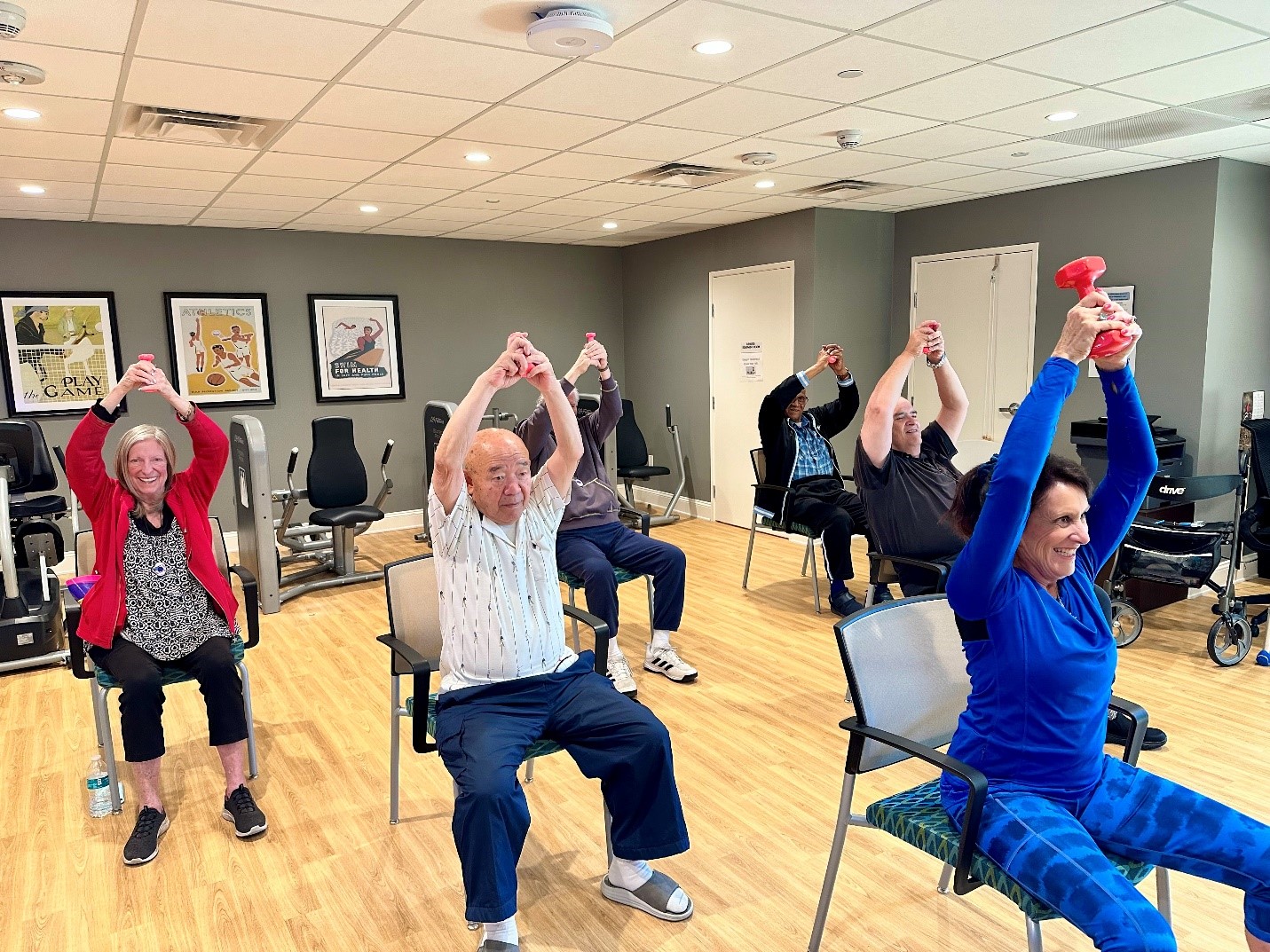
- Get competitive – join a team or group.
- Find your fitness tribe by asking friends and family members to exercise with you.
- Hire a personal fitness trainer to set up an exercise plan and program.
- Choose exercise, sports, or activities that you enjoy.
- Give yourself a reward and treat yourself to something special when you accomplish small wins.
Once you do get motivated to exercise just know that you have to work at it consistently and stay focused on your goals. Be patient with yourself, results do not happen overnight! Remember to pat yourself on the back and give yourself lots of credit for staying motivated and consistent with your exercise plan. You can achieve anything you set your mind to, stay motivated, have fun, and keep moving!
This article originally appeared in the Ventura Breeze.