The Importance of Flexibility
No matter what age you are, you can benefit from being flexible. Many people tend to overlook the importance of both physical and mental flexibility in their lives. Flexibility is both a physical and mental aspect of our lives and working to become more flexible has many benefits that can help improve your overall well-being.
The Different Types of Flexibility
Physical flexibility is the ability of a joint or series of joints to move through an unrestricted, pain free range of motion. Flexibility also refers to the ability of muscles, joints and soft tissues to stretch, lengthen, and contract without limitations, allowing for smooth and efficient movement.
Mental flexibility is the capacity to adjust to short term change quickly and calmly so that you can deal with unexpected problems and situations effectively. To be mentally flexible means you are connected with the present. You are self-aware of your thoughts, emotions and acutely aware of others and your environment.
Physical Flexibility is Great for Your Health
Incorporating flexibility training into your workouts will lead to improved fitness for everyday activities as well as enhanced heath and energy. If you frequently experience muscle fatigue, muscle stress, or poor joint health, you could significantly benefit from flexibility exercises. Stretching improves circulation and increases blood flow to your muscles, which nourishes them and helps rid them of waste biproducts.
There are two types of stretching – static and dynamic. Static stretching involves extending your muscle until you feel tension and holding it for 15 to 60 seconds. This type of stretching lengthens muscles, which is ideal for achieving optimal flexibility. Dynamic stretching is movement-based stretching that uses the muscles themselves to bring about stretch (the stretch position is not held).
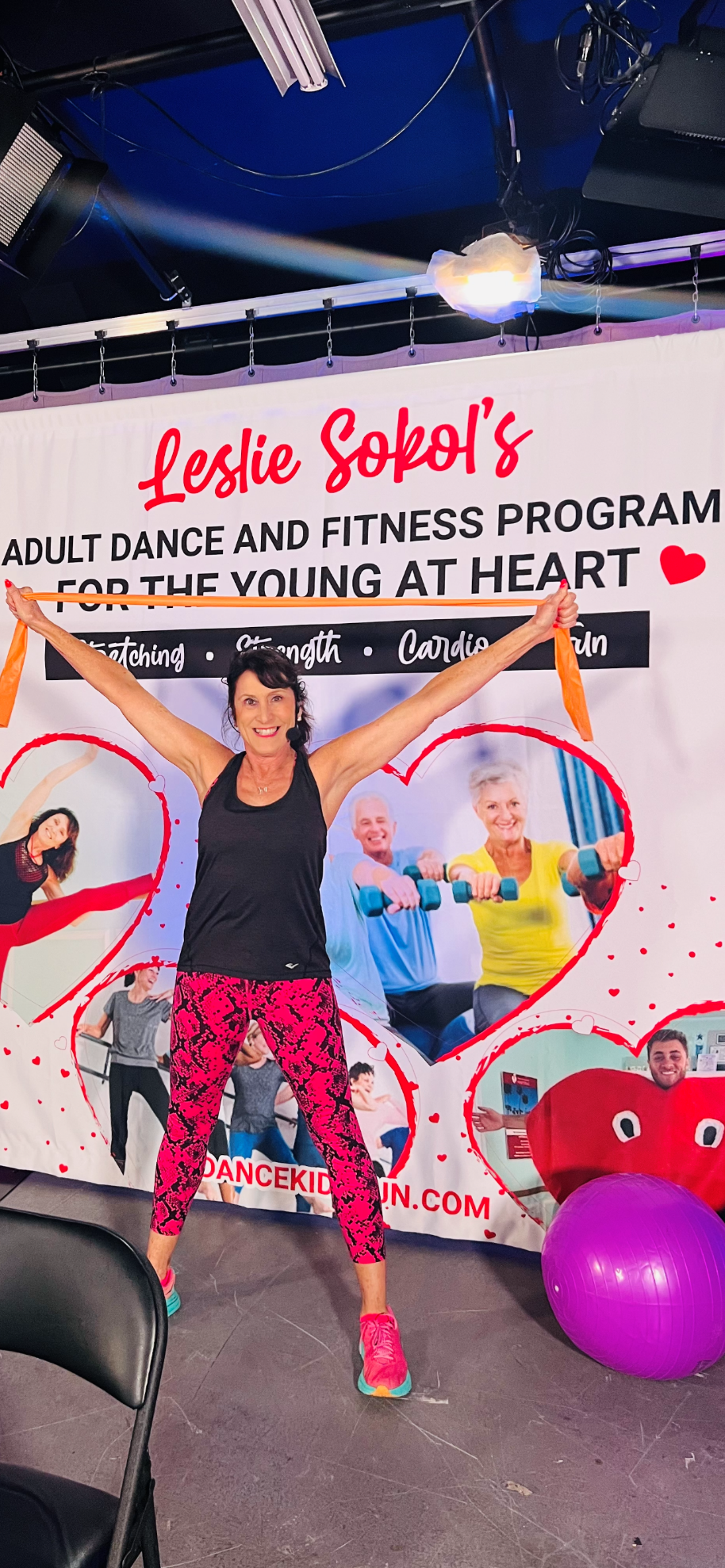
Both types of stretching keep your muscles flexible, agile, prevent injury and improve posture and balance. When your muscles are loose and limber your balance improves and your reflexes and responses to sudden movements are much quicker. Even just a couple of minutes of stretching exercises each day will help you become more flexible and agile. Stretching exercises can be done standing, seated or on the floor. If you’re not sure how to get started, my Stretchercise classes are head-to-toe routines that work all of your muscles in a controlled and relaxed manner.
The benefits of flexibility include:
- Better joint health
- Less problems with injuries
- Prevention of lower back pain
- Relief of aches and pains
- Improved posture and balance
- Relaxation and stress relief
The Advantages of Mental Flexibility
Mental flexibility refers to the ability to change your perspective or approach when facing new or challenging situations. It means being able to think outside the box and consider multiple options or solutions to a problem. Mental flexibility can play an important role in mental health and well-being for a number of reasons. Being flexible and open to new experiences allows you to learn new things. It also helps you to adapt to changing circumstances so you can function more effectively in your environment. When things do not go as planned, having a flexible and easy-going attitude will help you adjust to sudden changes. Individuals who display the characteristics of mental flexibility are dynamic and versatile in their thinking and are open to new ideas and ways of doing things. They are also capable of dealing with unexpected stressors, mindful of others thoughts and feelings and willing to try new experiences. When we are flexible in our life it shows that we can compromise and be cooperative with others. Having a positive outlook and being flexible, versatile and easy-going will make your life more pleasurable and fun!
With all this said, you can see how being mentally and physically flexible is so beneficial to your everyday life. Go ahead and relax, let loose and feel free to stretch yourself!
This article originally appeared in the Ventura Breeze.