The Phenomenon of Muscle Memory
What is muscle memory?
Muscle memory is a neurological process that allows you to remember certain motor skills and perform them without conscious effort. It is the result of extensive practice. Despite the name, this skill resides in the nervous system, not the muscles. When a movement starts and is repeated over time, the brain creates a long-term muscle memory for that task, eventually allowing it to be performed with little to no conscious effort. This process decreases the need for attention and creates maximum efficiency within the motor and memory systems. A great example of this is when you get in your car to go somewhere. When you were first learning how to drive, it probably felt like a lot of steps to keep track of – adjust the seat and mirrors, put the key in the ignition, put the car in drive, check your surroundings, and/or turn on the radio. But over time those movements became so automatic that you oftentimes probably weren’t even aware that you were doing them – your mind could be focused on other things while you were driving.
Exercise in Relation to Muscle Memory
Dance is an especially fun way to experience the benefits of muscle memory. With time and practice, dance routines can be performed almost automatically because of the strength of the specific neural connection in your brain. The more frequently you do the routines, the more you strengthen the implicit long-term memory and the easier it becomes to recall. This allows you to perform at a more efficient level – not only when you exercise but in all areas of your daily life!
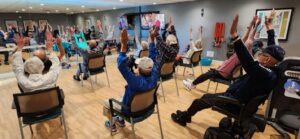
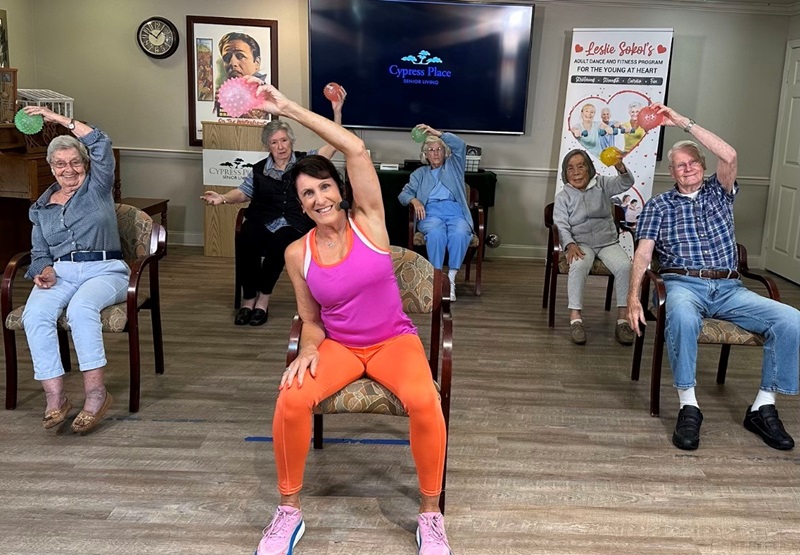
When I teach seniors in my Young at Heart dance program, we always repeat certain dance moves, steps and exercises. We also incorporate new movements because it helps keep the students engaged and the class exciting and fun. I know some of my students may not always remember a step or move right away but as they attend my classes regularly, their muscle memory kicks in and they can easily keep up and do a little more every time.
Tips to Improve Muscle Memory
- Practice, practice, practice
- Repeat and then repeat it again
- Repetition and more repetition
- Consistency is key
- Be patient with yourself
- Enjoy the process
Whatever you lose, you can gain back again, as long as you are willing to go back at it again!
This article originally appeared in the Ventura Breeze.