Bouncing Back from Life’s Setbacks in Your Senior Years
Resilience and recovery are both inspiring and empowering. As the population ages, a powerful truth is emerging: seniors are not just surviving setbacks—they’re coming back stronger, more resilient, and more determined than ever. Whether it’s recovering from surgery, illness, emotional loss, or isolation, older adults are showing that resilience doesn’t fade with age—it evolves.
Traditionally, recovery is seen as more difficult later in life. While it’s true that healing may take longer, new research and real-world stories reveal that emotional resilience, a sense of purpose, and life experience provide seniors with unique tools for making a comeback. Studies show that emotional regulation tends to improve with age. Older adults often show greater patience, acceptance, and optimism—traits closely linked with better recovery outcomes. Seniors who maintain a positive mindset and set personal goals often exceed expectations.
Keys to a Strong Recovery
- Physical Resilience: Strength training, balance exercises, and mobility work have been shown to dramatically reduce recovery times—even after major procedures like joint replacements or cardiac surgery.
- Sense of Purpose and Determination: Seniors with a clear sense of purpose—whether through hobbies, volunteering, caregiving, or spiritual practice—tend to recover faster and stay healthier longer. Purpose fuels motivation, which in turn drives engagement in physical and mental rehabilitation.
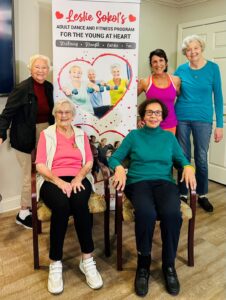
- Social Connection: Loneliness can slow recovery and increase the risk of depression. Staying socially connected—through family, retirement communities, senior centers, or group classes—helps reinforce a positive mindset and supports healing routines.
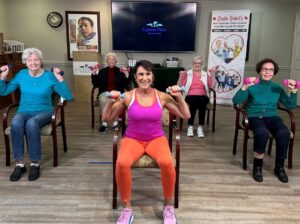
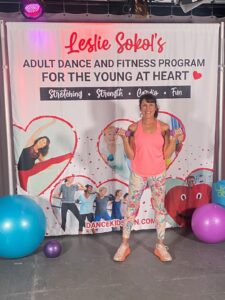
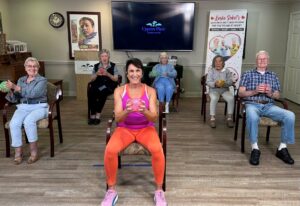
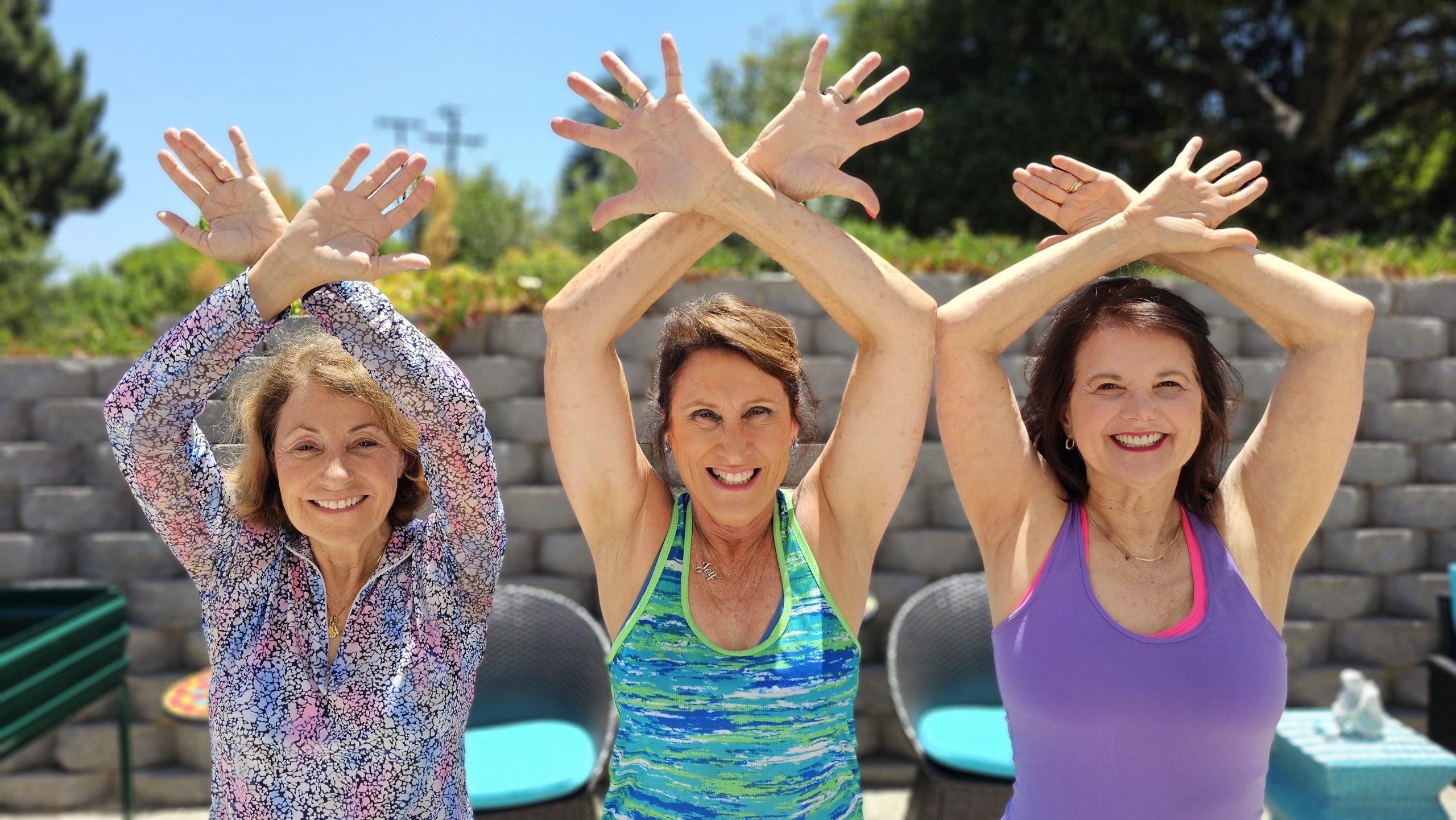
- Physical Activity: In our For the Young at Heart adult dance and fitness classes, we incorporate full-body movement through stretching, strengthening, and aerobic exercise. These balanced workouts are designed specifically for seniors—regardless of limitations or challenges. Choosing a class that you truly enjoy and that fits your needs enhances physical and cognitive health, lifts the spirit, and helps speed up recovery from injuries or procedures.
- Mental Resilience: Mindfulness, meditation, journaling, and cognitive behavioral therapy can reduce anxiety and build psychological endurance. These practices help seniors manage fear around recovery and stay focused on progress. Keeping a hopeful attitude is essential. Never stop believing in yourself!
- Support System: A strong support network can make all the difference. Family members, caregivers, and friends offer care, encouragement, and shared experiences. Sometimes just knowing you’re not alone can be healing in itself.
Breaking the Stereotype
Our society often underestimates what seniors are capable of. As a senior myself, I don’t feel limited in what I can do or accomplish. While we may not do everything with the same intensity or speed as when we were younger, we’re still capable of remarkable physical feats and meaningful activity. There’s nothing wrong with modifying or pacing ourselves. From 75-year-olds hiking mountain trails after hip replacements to 80-somethings launching businesses after cancer remission, seniors everywhere are rewriting the recovery narrative.
Recovery isn’t about returning to who you were before—it’s about discovering who you can still become. For seniors, bouncing back is a powerful testament to a lifetime of grit, wisdom, and the quiet strength that builds over time.
So let’s stay with it—one step at a time. Resilience doesn’t retire. Aging doesn’t mean slowing down—it means rising up, again and again.
Be Healthy and Happy!