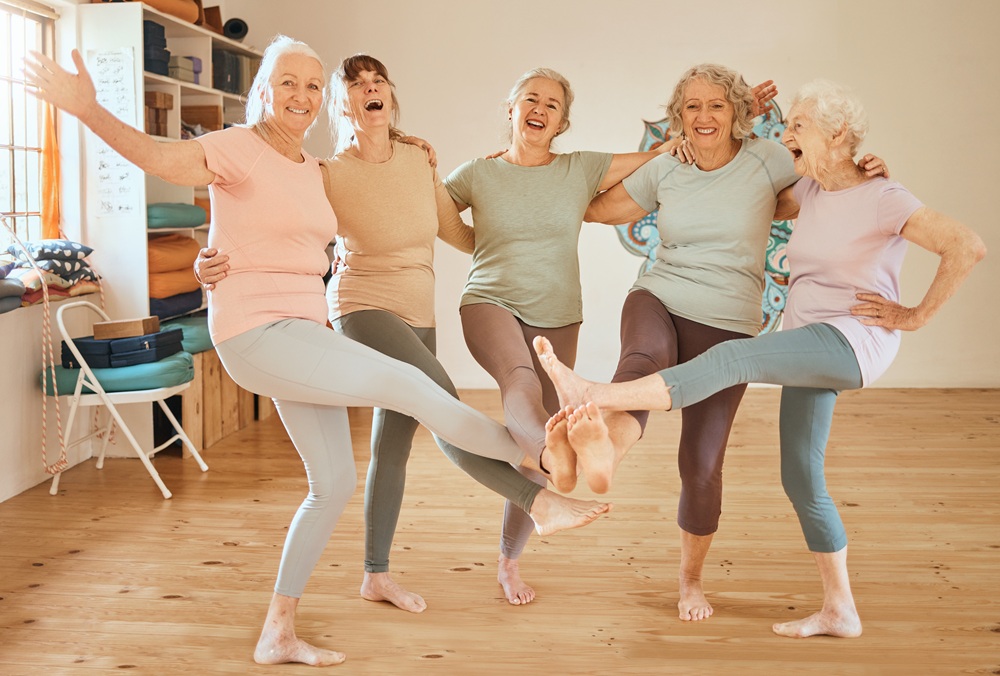
The Emotional Power of Exercise
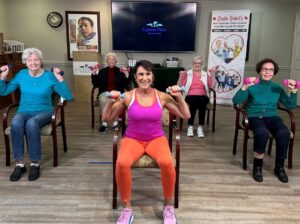
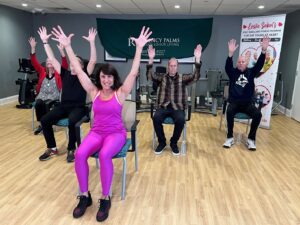
Many powerful things happen when you exercise. Your emotions and overall well-being improve significantly, and the benefits are truly endless. Regular physical activity greatly enhances our mental and emotional health. As we age, it becomes even more imperative to stay active and maintain a social, physical lifestyle. Movement changes mood—it helps reduce anxiety, depression, fatigue, loneliness, and many of the insecurities we all experience from time to time.
Older adults regulate their emotions more effectively than younger people by maintaining positive feelings and reducing negative ones. As we age, we place greater value on emotionally meaningful goals and invest more cognitive and behavioral resources in achieving them.
Mind and body exercise not only improves the quality of life for older adults but also enhances it indirectly by strengthening perceived social support and psychological resilience. Yet the connection between emotional and physical well-being is often overlooked. The strong link between how we feel emotionally and the effect it can have on our physical health—and vice versa—is important to understand. Your thoughts, feelings, beliefs, and attitudes can all influence your physical health, either positively or negatively.
As we age, meeting our social, emotional, physical, and spiritual needs can become more challenging. For example, perhaps your loved one is no longer able to drive or participate in the activities you once enjoyed together. This can take a toll, both emotionally and physically. In times like these, it’s important to find new, simple activities that bring pleasure and connection to both of you.
It’s a fact of life that as we age, we’ll face more limitations and need to make adjustments in our daily routines. And that’s okay. We can take one step at a time and find joy in the little moments and simple things that bring us comfort. I always remind my students: the best exercise or activity is the one you enjoy most.
Behavioral Factors That Contribute to the Emotional Benefits of Exercise
A great attitude and confidence are essential. From the very beginning, it’s important to approach your goals with a positive outlook. If you tend to be more sedentary or less active, you may experience increased feelings of stress, anxiety, and low self-confidence. But the good news is—exercise can help. Both mentally and physically, you will begin to thrive as you move your body, set achievable goals, and build momentum over time.
Here are a few physical and mental benefits of exercising:
- Improved brain function
- Enhanced mood
- Increased social interaction
- Natural release of endorphins
- Boosted self-confidence and discipline
- Better sleep quality
- Calorie burning and weight management
- Stronger muscles, joints, and overall body
- A healthier heart
- More efficient organ function
How Exercise Reduces Stress and Affects Your Emotions
When you start an exercise program, it might feel challenging at first, but with each workout, you’ll begin to feel better and notice improvements in your body. Consistency is key! Just as your muscles have memory, so does your mind. When you exercise, your mind and body work together in harmony. Incorporating all three components of fitness—stretching, strengthening, and aerobics—will bring remarkable changes to your body, metabolism, heart, and spirit. Exercise has a unique ability to exhilarate, relax, stimulate, calm, and counter stress, improving both your physical and emotional well-being.
It’s a wonderful feeling to gain a sense of mastery, controlling your self-image and boosting your confidence through an active lifestyle. Your renewed energy and vigor will empower you to tackle many tasks, while the discipline of regular exercise will help you achieve other important life goals. Let’s elevate our emotions and experience the incredible benefits of exercise.
Be Healthy and Happy!
This article originally appeared in Coastal View.