

Let’s Dance
Spring is in the air! This is the perfect season to get moving, be fit, and have fun. One of the best ways to improve your overall health and get in shape is to dance. Dancing can be many things: an expression of art, a social activity with friends, part of a cultural experience, a fun hobby, or a great form of exercise. The combination of movement, time spent with others, and rhythmic music is good for your physical and mental well-being. No matter your age, moving your body to the sound of music can transform your life for the better.
9 Ways Dancing Improves Your Health
- Boosts cardiovascular health. Like other aerobic exercises, dancing increases your cardiovascular endurance by elevating your breathing. Dance moves of a moderate intensity can reduce your risk of developing heart disease.
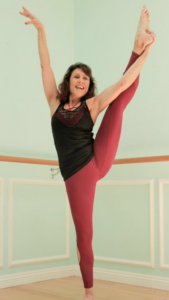
- Builds core strength. Dance requires balance and builds core strength, which promotes good posture and prevents muscle injuries and back pain. For example, ballet moves train your body to stand still and balance on one leg using deep muscles in your body and engaging your abs.
- Promotes flexibility. Many forms of dance stretch your limbs and improve flexibility. This in turn will help improve your balance, help you avoid falls and decrease the risk of injury in many areas of your life.
- Helps with weight loss. Dancing may include both aerobic and anaerobic exercises. Aerobic exercises involve continuous movement fueled by oxygen – examples include bike riding or running. Anaerobic exercises involve short bursts of high-intensity movement fueled by energy stored in your muscles (think weight lifting). Both types of exercise can improve your health and are great calorie burners. In general, the more up-tempo the dance style, the more calories and energy will be burned.
- Improves bone health. As a form of weight-bearing activity, dancing can help you maintain bone density and even build new bone mass.
- Helps prevent memory loss. One of my favorite sayings is, “Sound mind, sound body.” Dance gets you moving both physically and mentally. Learning new steps and routines requires mental focus while counting and staying on beat to the music. This makes you feel more alert, focused and engaged and improves your cognitive skills.
- Improves mental health. Dance is one of the best types of exercise to lift your spirit. Dance decreases anxiety, increases self-esteem, and improves your psychological well-being.
- Reduces stress. Dancing can be uplifting, make you feel good and forget your worries. It is the perfect way to brighten your mood on days where you might be feeling upset or stressed.
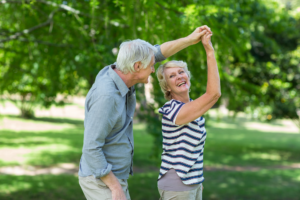
- Creates social connections. Social connectedness and interaction are critical components of your mental and physical health. Dancing with others is a shared experience. When you take a class, you will feel an immediate connection with your fellow students as you all respond to the music and the movements of your bodies.
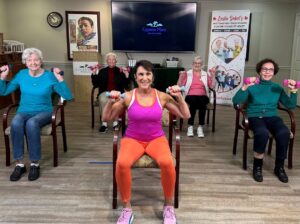
Incorporating dance into your life will have an immediate positive impact on how you feel. It will help you focus, improve self-discipline, increase your confidence, and change your brain and body for the better. Through my many years of dance training and teaching, I am so grateful to be able to share my knowledge and experience with others. From ages 3 years to 105 years old, my students learn the positive power of dance. So put a spring into your step and let’s get dancing!
This article originally appeared in the Ventura Breeze.